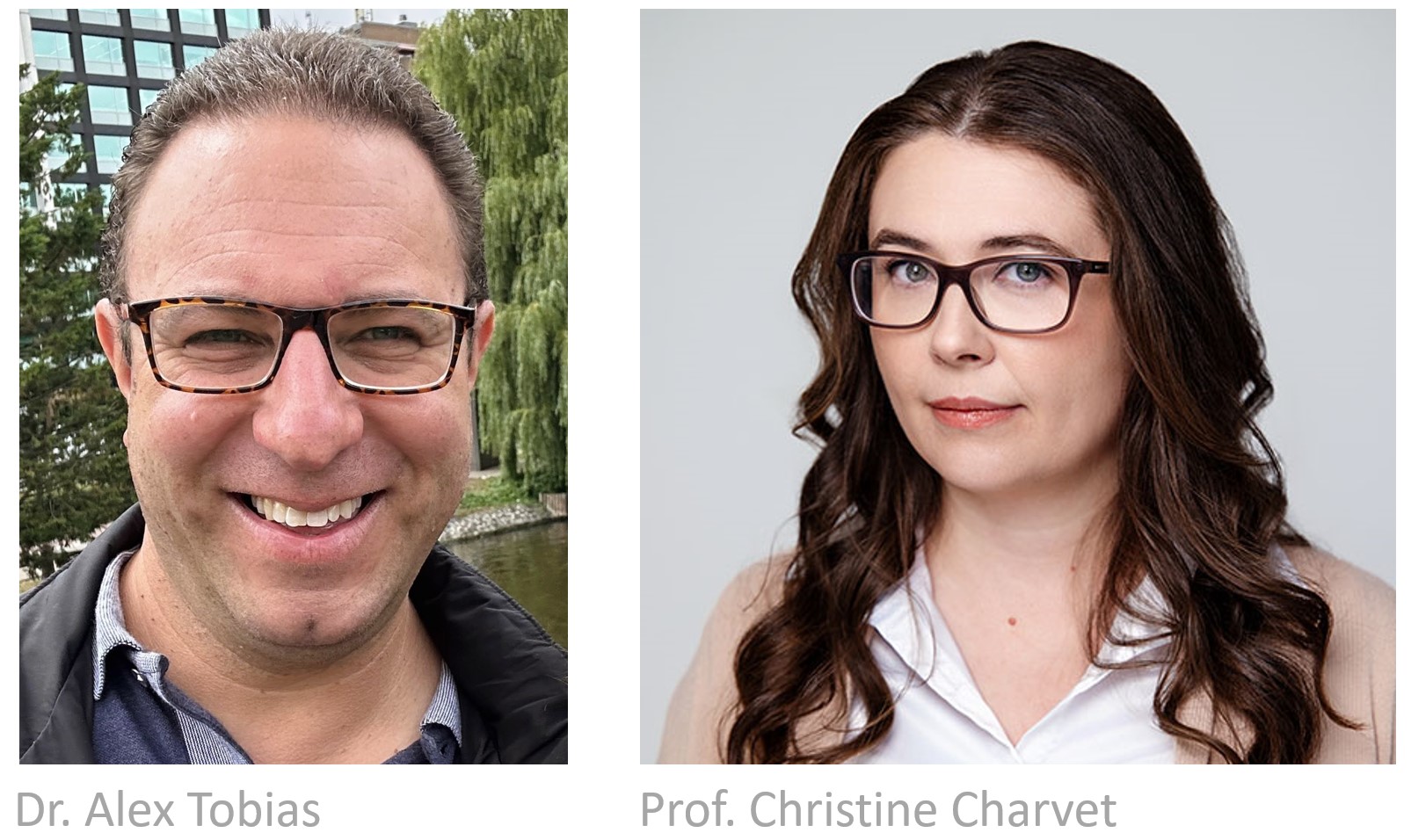
This is the second in a series of 3 posts covering a conversation between Dr. Alex Tobias, Principal Mentor at The Admission Algorithm and Dean of Students of the Throop Research Academy, and Professor Christine Charvet from Auburn University.
The first post in the series was Lessons learned from our own Mentors.
In this post, we discuss things we wish we knew when we were younger.
Christine Charvet (CJC): Hi Alex! If you could go back and speak to your high-school self, what career or academic advice would you offer?
Alex Tobias (AVT): I was a very competitive kid and I didn’t necessarily have that much inherent appreciation or passion for math and science. I liked them mainly because of the intellectual challenge they offered me and the chance to distinguish myself from many of my peers. I’ve realized since then that being competitive is not a great way to sustain oneself for a long career. It’s not that much fun after the novelty of the next competitive stage wears off. I see now that it’s more important to develop an appreciation or a passion for a subject or problem that’s independent from what others are doing or saying. So, I’d advise myself to focus less on competition and grades and applying for college programs because they’re the most selective and competitive, which is something I did, and instead, try a lot of things and discover what I’m really interested in and let the other things like jobs fall into place more organically. I wouldn’t advise any student to pursue a major or career just because there are lots of postings for jobs in it when they’re about to apply to schools. The world changes fast now and that state of affairs could be old news by the time they graduate. The best jobs are the ones we create or craft for ourselves anyway. Not only by starting businesses, but by networking with people at organizations where we aspire to work.
It’s more important to develop an appreciation or a passion for a subject or problem that’s independent from what others are doing or saying.
CJC: How did that competitiveness affect your choice of major in college?
AVT: I chose to major in engineering partly because of that competitive aspect. The engineering programs in Canada, where I’m from, tended to be the most selective. I had some other reasons, like I felt engineering offered better employment prospects with a bachelor’s degree if I didn’t want to do more school after that. Deciding to major in chemical engineering at McGill wasn’t a big mistake for me, but I probably would have been better off doing chemistry or biochemistry. I just didn’t have enough awareness about the different things I could do with those various options, so I went with the engineering one. Since then, even though I did a PhD in chemical engineering as well, I think of myself more as a scientist because of the research I’ve done and the colleagues and community I’ve been surrounded by. I’ve been in jobs for 2 years or more where some of my closest colleagues thought I was a biochemist or microbiologist! Also, I’ve never been paid more in any position because I had engineering degrees vs. science degrees. I believed, incorrectly I see now, that the employment or salary aspects were stronger for engineering.
Even though I did a PhD and B. Eng in chemical engineering, I think of myself more as a scientist
AVT: Professor Christine, what about you? What advice would you give to your past self back in high school or college?
CJC: I started college in France, where I grew up. I wasn’t familiar with how college worked or connected with the rest of the educational system and world of employment. I thought that grades really mattered, so I focused on that. I majored in biology and got really good grades. As I progressed through college, I realized my passion was for neuroscience and I decided I wanted to go to graduate school. I applied to UCLA but I didn’t get in. It was explained to me as I was finishing college that research experiences really mattered for admission to PhD programs, and I didn’t know that. I should have spoken with graduate students or graduate school admissions folks to really understand what the requirements were. Your advice about being social would have been great for me back then! I ended up going to UC Irvine for my PhD in Neuroscience, which was a great experience. What helped me then and later were my mentors—people with more experience who gave me feedback and helped guide me through my research and navigate the different stages of my career.